Fermentation · 12 August 2026 · 4 min read
Reading the fizz
Natural carbonation is the clearest sign a drink is alive. Here is how we read the bubbles, batch by batch, in our Bangkok brewery.
What natural carbonation actually is
The bubbles in a living drink are not added. They are made by the culture itself: as it works through the sugars in fruit, juice or tea, it releases carbon dioxide, and once the bottle is sealed that gas has nowhere to go. It dissolves back into the liquid. Open the bottle and it comes back out as fine, steady fizz.
That is the difference between a drink that is carbonated and a drink that is fermenting. Force-carbonated drinks are made fizzy at the last moment under pressure. A bottle-conditioned ferment builds its own carbonation slowly, over days, and keeps building it gently in cold storage.
How we read a batch
Before anything is bottled, we taste. Sweetness drops as the culture works, acidity rises, and the aroma shifts from juice-like to something rounder and drier. When those three move together, the batch is close.
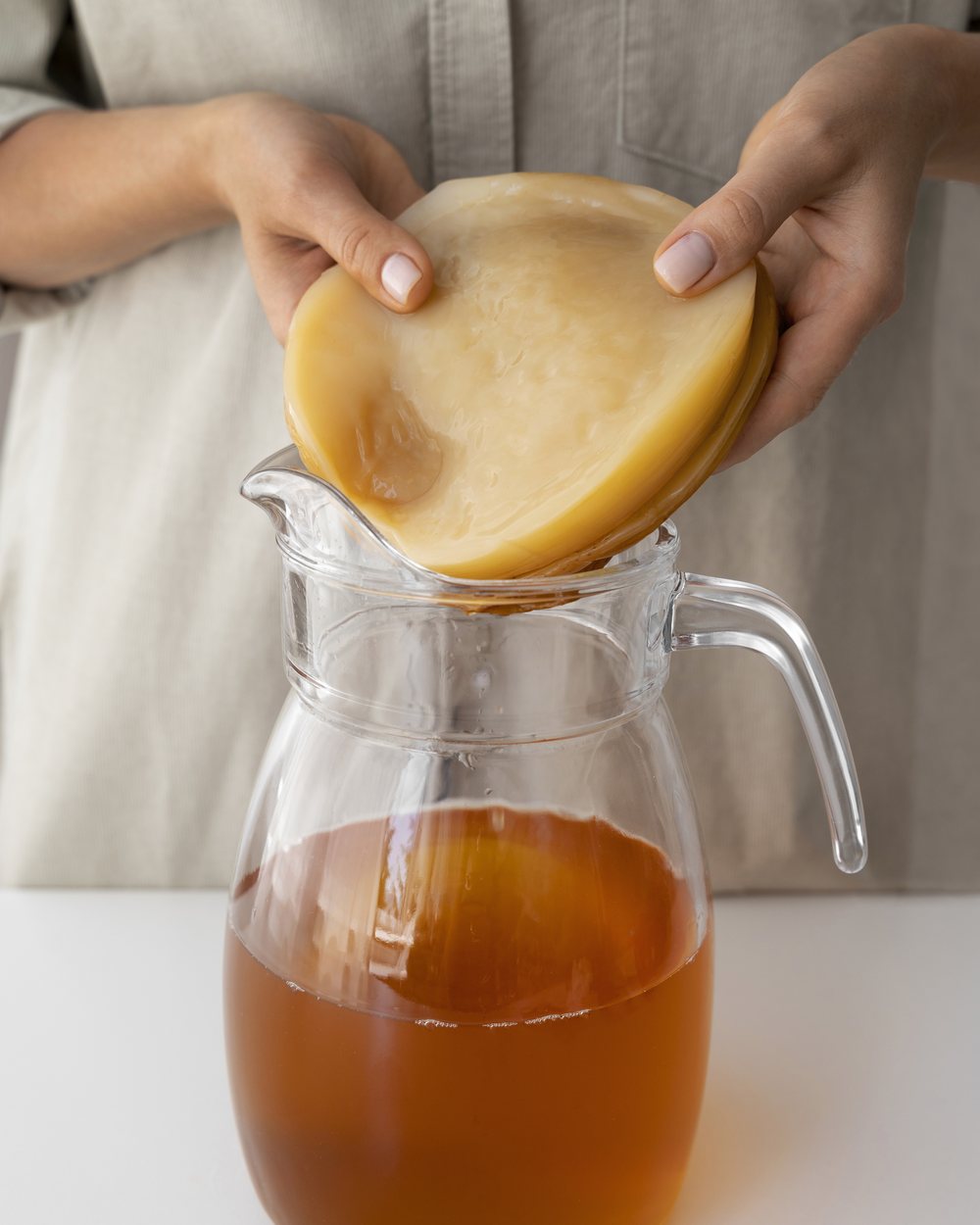
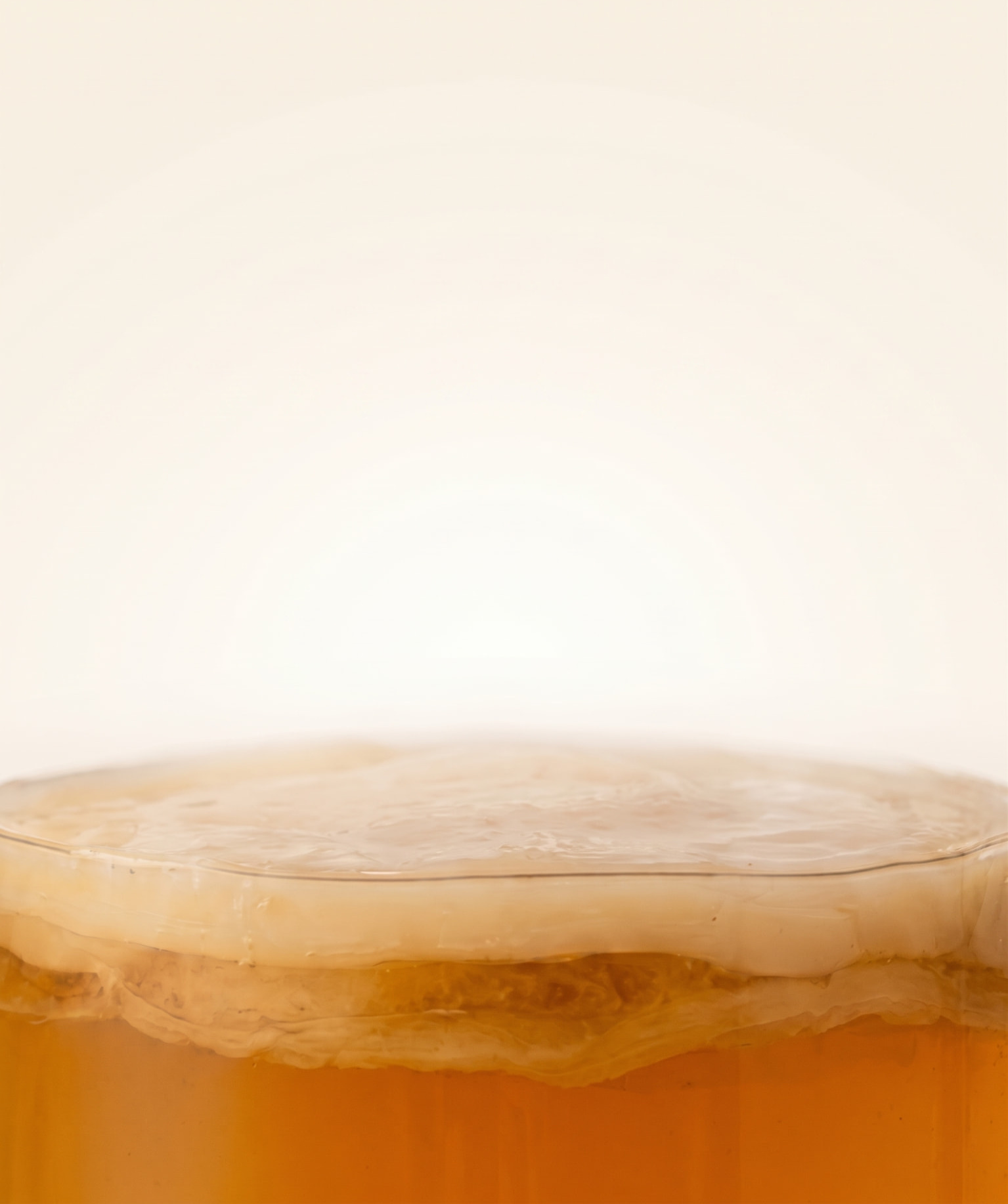
Then we watch the surface. A healthy ginger bug throws a constant, fine stream of bubbles; kombucha forms a thin veil across the top; tepache pushes a soft foam to the edges of the vessel. Each of our three ferments has its own tell, and they are not interchangeable.
The last check is the quiet one. We tap the vessel and listen. A batch that is ready answers with a soft hiss rather than silence.
Why the bubbles are smaller than you expect
People often expect a soft-drink pop. Bottle-conditioned carbonation is finer and softer than that — closer to a sparkling wine than a soda. It carries flavour instead of scrubbing it away, which is why a ferment tastes more of its fruit and spice the less aggressively it is carbonated.
It also means the fizz varies a little between bottles and between seasons. Warmer weeks move faster. That variation is not a fault; it is the honest result of leaving a live culture to do the work.
Keeping it right at home
Keep bottles cold and upright. Cold slows the culture down and holds the carbonation in solution, so the drink stays balanced for longer.
Open slowly, with the bottle standing still. If it has travelled or warmed up, give it an hour in the fridge first. And drink it cold — the aromatics in our fruit and spice ferments read clearest just above fridge temperature.